

£1B Property Group in Advanced Talks to Acquire 100 NCP Car Park Leases After Collapse
Bisnow · 6 September 2026
TL;DR
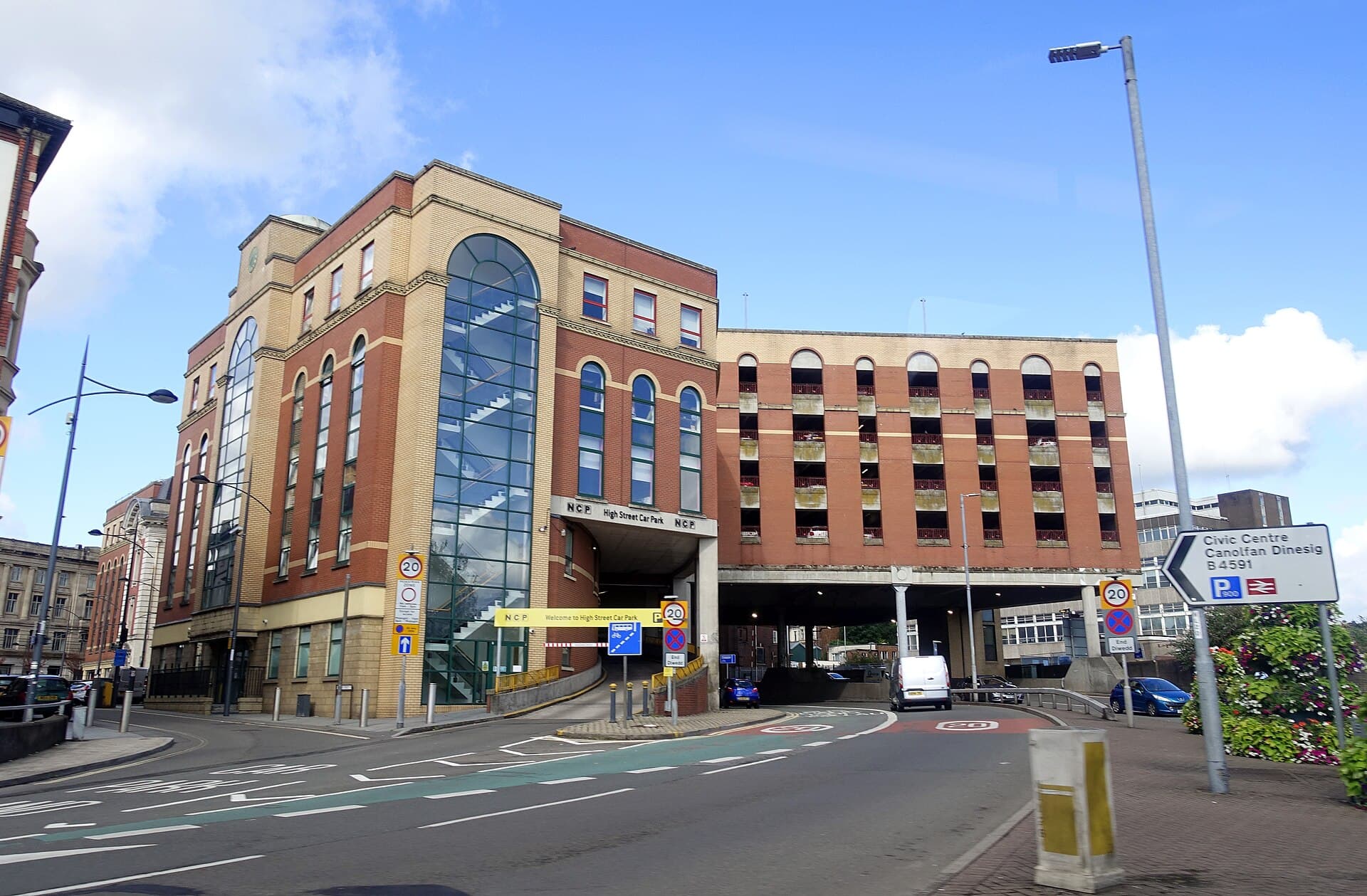
Martin Property Group, a Northern Ireland-based property company with £1 billion in assets, is in advanced talks with administrator PwC to take over approximately 100 leases from collapsed car parking operator NCP. The deal would see Martin Property run the sites operationally rather than purchasing the underlying properties outright. NCP entered administration earlier in 2026, leaving unsecured creditors — including landlords — owed more than £200 million. The company's downfall was driven by steadily declining city-centre driving habits combined with long-term fixed-cost leases it could not exit as revenues fell. Martin Property already operates a small parking business, MPG Parking, but this acquisition would represent a significant expansion into the sector.
Our take
While this story is set in the UK, it carries a quiet but relevant signal for South African property investors and landlords — particularly those with exposure to retail and mixed-use assets that include parking infrastructure. SA cities are experiencing their own shifts in urban mobility. Rising fuel costs, load-shedding disrupting commuter patterns, and growing e-hailing adoption (Uber, inDriver, Bolt) are gradually reshaping how South Africans use city-centre parking. NCP's collapse is a textbook case of what happens when a business locks itself into fixed long-lease obligations while its revenue base quietly erodes beneath it. For SA landlords and commercial property owners, the lesson is clear: long-term leases with fixed escalations can become liabilities when tenant income models are structurally disrupted. Flexible lease structures, turnover-linked rentals, and regular portfolio stress-testing matter more than ever. For buy-to-let and mixed-use developers eyeing parking as an income stream — especially in Sandton, Cape Town CBD, or Umhlanga — this story is a useful reality check. Parking revenue is not the defensive asset it once appeared to be. Diversification and adaptable use rights are worth building into any new development from the outset.