

Inside Durham's Luxury Boom: Why Affluent Buyers Are Choosing This Former Tobacco Town Over Bigger US Cities
Realtor.com · Snejana Farberov · 7 September 2026
TL;DR
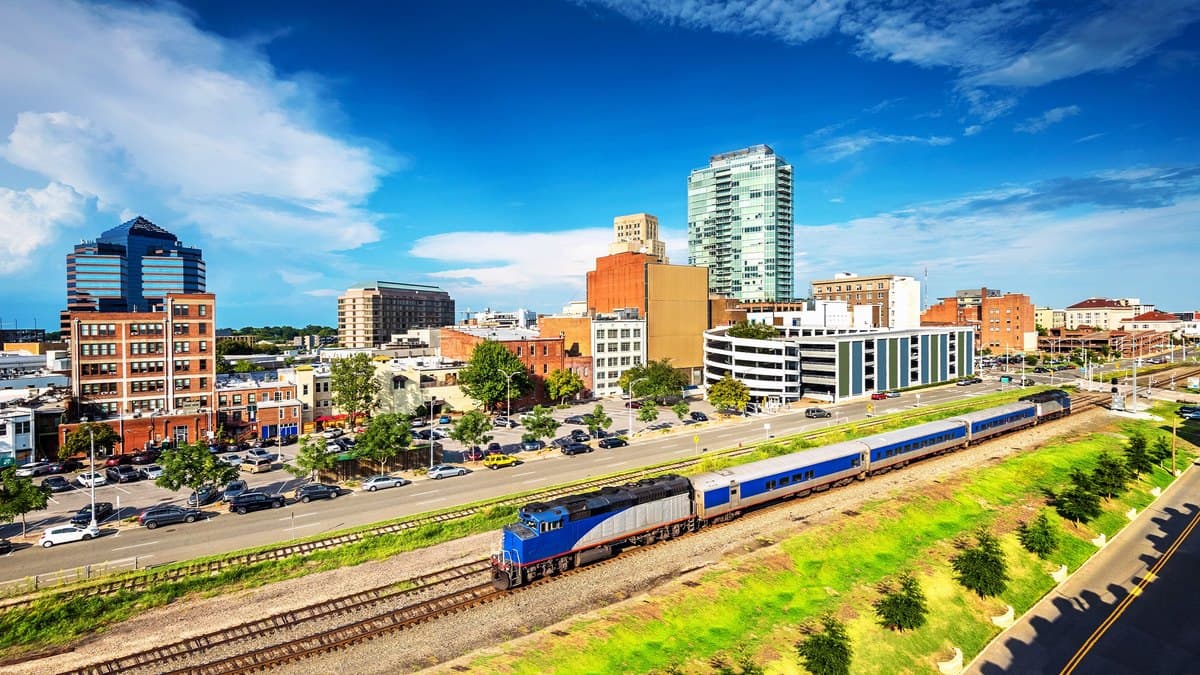
Durham, North Carolina — once the tobacco capital of the world — has quietly emerged as one of the United States' fastest-growing luxury property markets. Realtor.com's April 2026 luxury report ranked Durham third among the nation's fastest-growing emerging luxury markets, with million-dollar-plus listings growing nearly 24% year-on-year. The entry point into Durham's top-10% tier sits at approximately $1.24 million. New construction accounts for roughly a third of all luxury listings. The city's appeal rests on its Research Triangle location — anchored by Duke University, UNC-Chapel Hill, and NC State — combined with walkability, cultural amenities, major healthcare infrastructure, and relatively affordable luxury compared to coastal US metros. Developments like The Novus, a 27-storey mixed-use high-rise with 54 condominiums and 188 rental units, are catering to wealthy retirees and high-earning professionals relocating from gateway cities like New York.
Our take
This article covers a US market, so South African readers won't find direct price comparisons or regulatory parallels — but the underlying dynamics are worth paying attention to, particularly for SA property professionals and investors watching global urban-regeneration trends. The Durham story mirrors what is quietly happening in several South African secondary cities. Gqeberha, Makhanda, and parts of the Cape Winelands are attracting buyers priced out of Cape Town, drawn by lifestyle amenities, university towns, and lower entry costs — much the same pull factors driving Durham's rise. The Research Triangle's institutional employment base (universities, health systems, tech) sustaining luxury demand is directly comparable to how Stellenbosch's university and wine-industry ecosystem underpins premium property values there. For SA developers and buy-to-let investors, the Durham model offers a useful template: mixed-use high-rise developments combining ownership and rental units in walkable urban cores can unlock demand from both wealthy downsizers and high-earning young professionals simultaneously. For SA buyers and agents, the broader lesson is that regenerated secondary cities — not just Johannesburg's northern suburbs or the Atlantic Seaboard — can deliver strong capital growth when institutional employment, cultural investment, and urban infrastructure align. Watch Gqeberha's waterfront precinct and Durban's Point development with this lens.
Read the full article
This is Liivra's summary + take. The full story lives at Realtor.com.
Read on Realtor.com