

The City That Never Hits 100°F: What Buffalo's Cool Housing Market Teaches Us About Climate Resilience
Realtor.com · Eric Goldschein · 15 July 2026
TL;DR
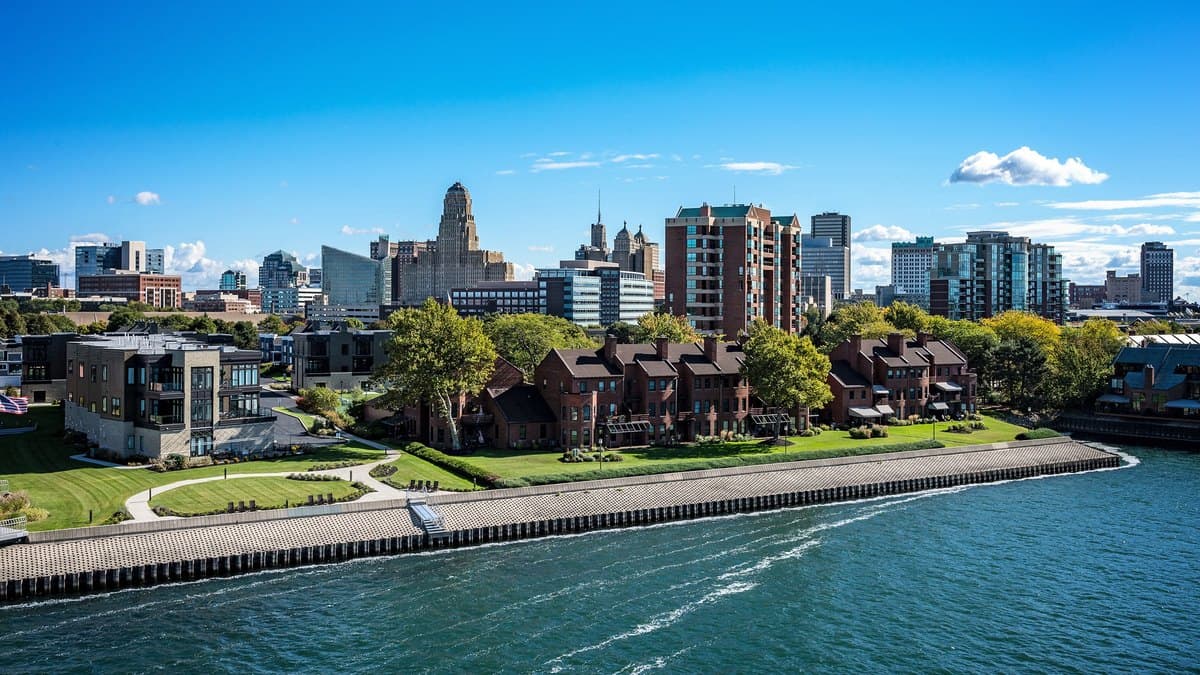
Buffalo, New York holds a rare distinction: it's the only major US city in the Lower 48 states to have never recorded a temperature of 100°F (38°C). Its position on the eastern shore of Lake Erie acts as a natural cooling buffer, and that geographic advantage is already showing up in home insurance premiums — Buffalo homeowners pay around $1,285 annually versus $14,520 in Miami. Experts caution, however, that no city is truly a "climate haven." Buffalo still faces risks from wildfire smoke, heavy rainfall, and long-term warming trends. The more useful takeaway, say climate and insurance specialists, is that cities and individual homeowners who actively invest in resilience infrastructure — tree canopy, thermal energy networks, quality construction, and proper drainage — are better positioned regardless of location.
Our take
While this article focuses on a US city, the underlying conversation is deeply relevant to South African property buyers, landlords, and investors. SA's own climate pressures — extreme heat in the Northern Cape and Limpopo, flooding in KwaZulu-Natal and the Western Cape, and wildfire risk in the Cape Peninsula — are already influencing property values and insurance availability locally. SA insurers are quietly tightening underwriting criteria in high-risk areas, much like their US counterparts. Buyers in flood-prone suburbs of Durban or fire-adjacent areas outside Cape Town should be asking hard questions about insurance costs before signing an offer to purchase — not after. The broader lesson: climate resilience is becoming a property feature in its own right. Buyers should evaluate roof condition, stormwater drainage, tree coverage, and a suburb's municipal infrastructure investment alongside the usual checklist. Landlords, too, should note that tenants are increasingly factoring liveability and utility costs — including cooling — into rental decisions. Investing in shade, insulation, and water management isn't just green virtue signalling; it's protecting your asset's long-term insurability and value.
Read the full article
This is Liivra's summary + take. The full story lives at Realtor.com.
Read on Realtor.com