

Texas Governor's Data Centre Power Freeze Divides Industry as Grid Demand Hits Crisis Point
Bisnow · 29 August 2026
TL;DR
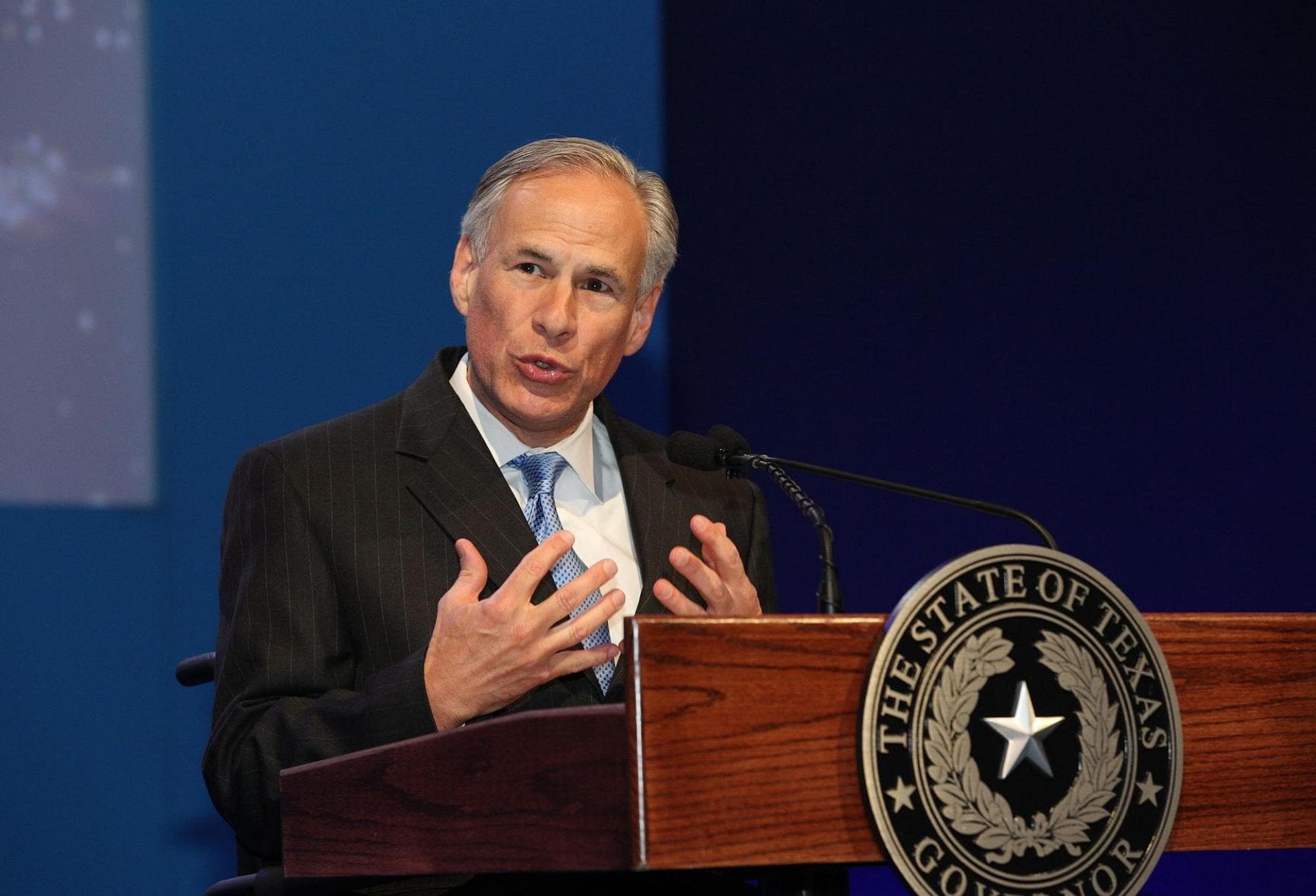
Texas Governor Greg Abbott has ordered a halt on all new data centre grid connections in the state, pending a comprehensive audit of each project's planned power and water consumption, ownership, and other details. The pause has thrown development timelines into uncertainty, arriving just days before a critical ERCOT milestone — "Batch Zero" — that would have clarified which projects receive priority grid access. Industry opinion is sharply divided: some developers, like Skybox Datacenters, back the freeze as a necessary filter to separate credible projects from speculative ones, while others, like Gigabit Fiber's CEO, condemn it as politically motivated interference in a free-market process. ERCOT currently faces over 474 gigawatts of requested capacity — more than five times the grid's record peak demand — with 90% attributed to data centres.
Our take
While this story is set in Texas, it carries direct lessons for South Africa's emerging data centre and commercial property sectors. South Africa is actively courting hyperscale data centre investment — Microsoft, Amazon, and others have committed billions of Rands to local infrastructure — and the Texas situation illustrates what happens when grid capacity planning lags behind development appetite. For South African commercial property developers and investors eyeing data centre assets, the Texas freeze is a cautionary tale about sovereign and regulatory risk. Eskom's constrained grid and Nersa's licensing processes already create similar bottlenecks locally. Developers banking on power availability at sites in Gauteng, the Western Cape, or KwaZulu-Natal should be stress-testing their power assumptions — including wheeling agreements, embedded generation, and backup capacity — before committing capital. For institutional investors, the Texas split verdict also signals that data centre assets are not uniformly low-risk. Projects without secured grid connections, proven ownership structures, or transparent water-use plans face real viability questions. South African buyers and fund managers considering data centre-linked REITs or direct development plays should scrutinise power and water security as primary due-diligence items, not afterthoughts. Transparency with host communities, as CleanArc's COO notes, is increasingly a commercial necessity — not just good PR.