

Revolution Medicines Nearing 700,000 sq ft Lease in Redwood City Amid Bay Area Life Sciences Slump
Bisnow · 25 August 2026
TL;DR
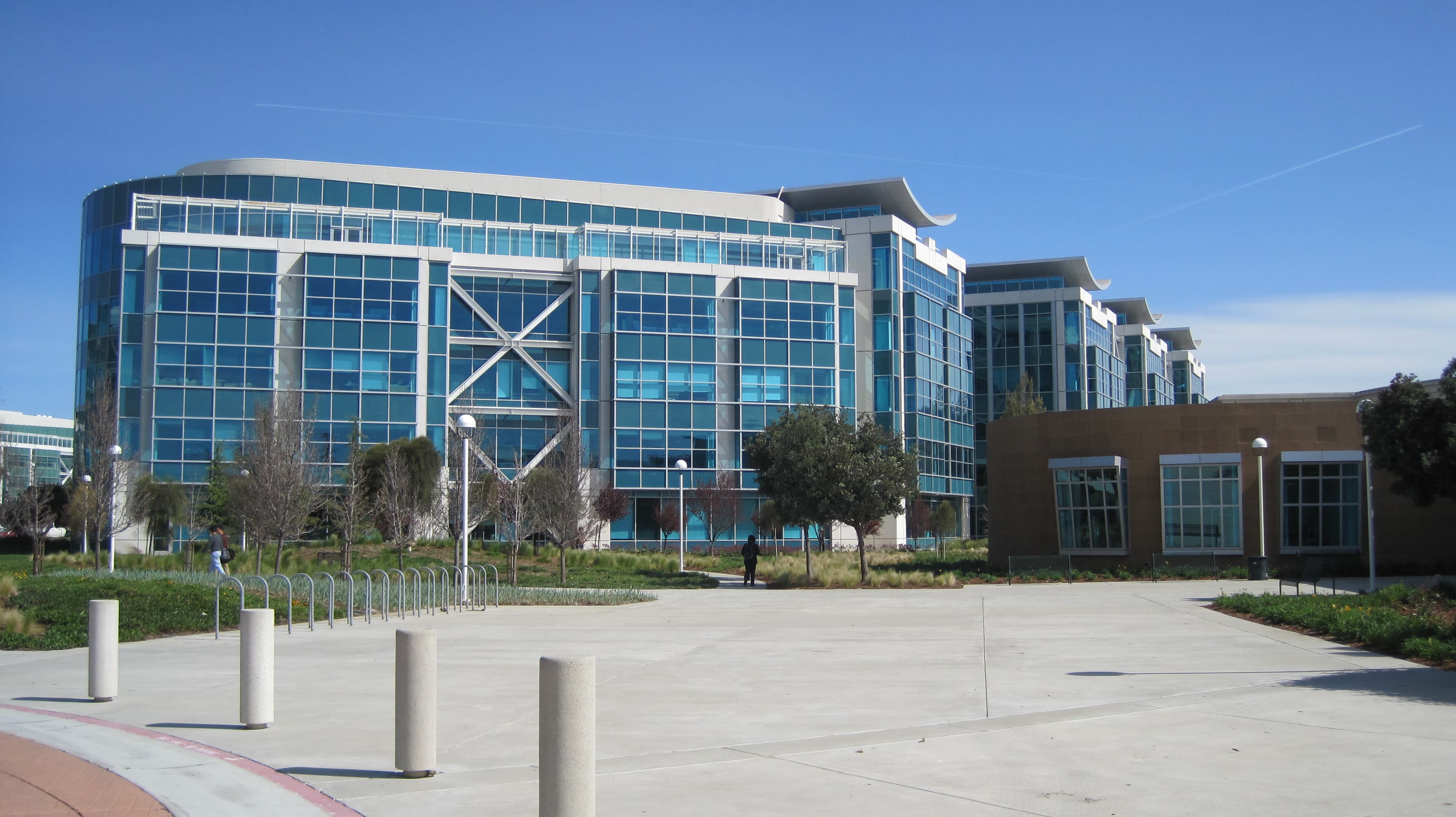
Revolution Medicines, a Redwood City-based oncology company, is close to signing a lease for approximately 700,000 square feet of life sciences space at Pacific Shores Center — a 106-acre waterfront campus on Seaport Boulevard. The deal would roughly double the company's existing footprint, which has grown from 61,000 sq ft in 2020 to over 293,000 sq ft across seven buildings. The expansion coincides with the US Food and Drug Administration accepting the company's oral cancer drug for review. Revolution Medicines employs around 1,200 people and has more than 280 open positions. The lease comes against a difficult backdrop for Bay Area life sciences real estate, where overall vacancy sits at 31% and central Peninsula vacancy exceeds 40%, with tenants returning over 641,000 sq ft in the first half of 2026.
Our take
This deal is firmly a US commercial property story and has no direct bearing on the South African property market. However, it carries a few indirect signals worth noting for SA readers with exposure to global real estate trends or listed property funds. First, it illustrates how a single anchor tenant can provide meaningful relief in an oversupplied specialised property sector — a dynamic relevant to SA's own struggling office and mixed-use nodes in areas like Sandton, Century City, and the Umhlanga Ridge. Second, the life sciences asset class, while nascent in South Africa, is beginning to attract developer interest around medical precincts near Johannesburg and Cape Town. The broader lesson: sector-specific vacancy crises can persist even when individual tenants are expanding aggressively. For SA landlords and developers eyeing specialised commercial assets, this story is a useful reminder that occupancy fundamentals matter far more than headline demand narratives. Buyers and investors in SA-listed property funds with offshore exposure should note that Bay Area life sciences remains structurally oversupplied despite this positive headline.