

Netflix's 'Worst Neighbor Ever' Is a Chilling Reminder That Neighbour Disputes Can Turn Deadly
Realtor.com · Kelsi Karruli · 11 July 2026
TL;DR
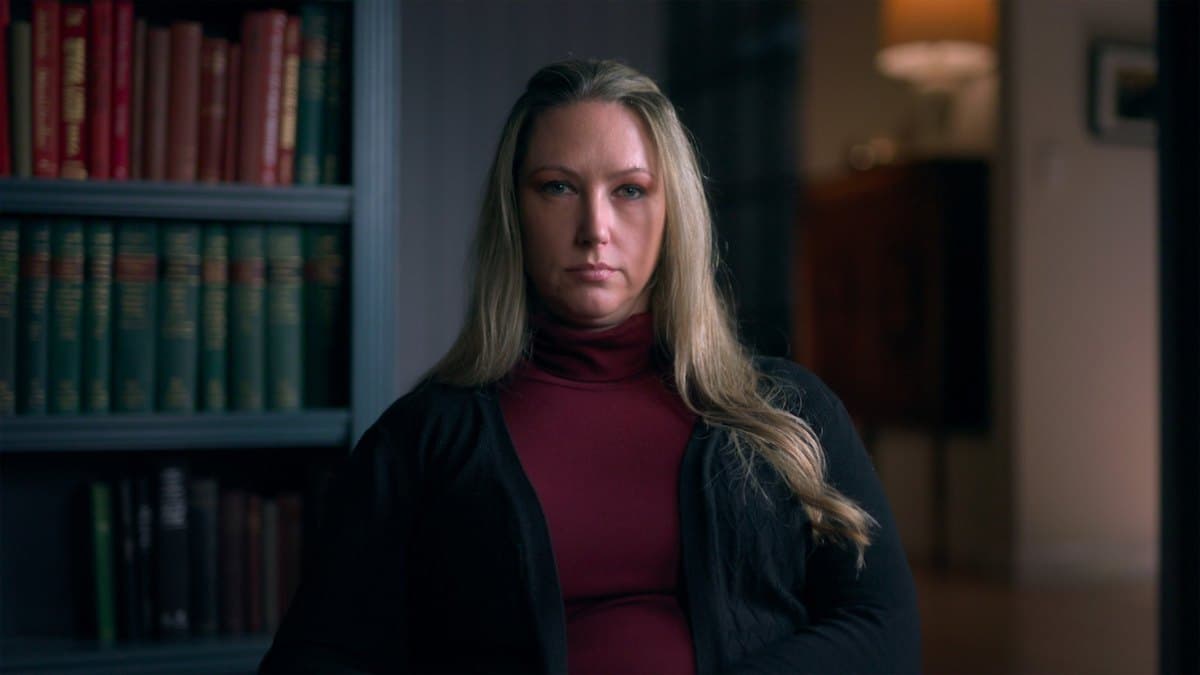
Netflix's true-crime documentary series 'Worst Neighbor Ever' examines four real-life cases where neighbourhood disputes escalated into violence, fraud, and murder. Episode one covers a Kentucky feud that ended in a fatal home invasion. Episode two details an Indiana insurance fraud scheme where a deliberately triggered gas explosion killed two neighbours and destroyed over 30 homes. Episode three follows an Oakland couple terrorised by a former tenant, culminating in the husband's murder. The final episode exposes an elaborate estate fraud in Los Angeles, where a neighbour forged legal documents and concealed a man's death to steal his property — earning a 20-year federal prison sentence. Each case was drawn from real court records and survivor interviews.
Our take
For South African property owners, tenants, and landlords, this series is more than true-crime entertainment — it's a prompt to think seriously about dispute escalation and property security. Neighbour conflicts are common here too, from sectional title scheme disputes to informal settlement boundary tensions, and they can deteriorate faster than people expect. Landlords should note the estate fraud episode especially: forged documents and identity deception are real risks in SA property transactions. The Protection of Personal Information Act (POPIA) and the Deeds Office verification process offer some safeguards, but due diligence on any person claiming authority over a property remains essential. For tenants and homeowners experiencing harassment from neighbours, South Africa's Protection from Harassment Act (Act 17 of 2011) allows you to apply for a protection order — a step the Oakland couple in episode three tragically couldn't access in time. Body corporate trustees and managing agents in sectional title schemes also have formal dispute resolution channels under the Community Schemes Ombud Service (CSOS). Document everything, act early, and don't wait for a situation to become dangerous before seeking legal recourse.
Read the full article
This is Liivra's summary + take. The full story lives at Realtor.com.
Read on Realtor.com