

MBK Sells Anaheim Apartment Complex to TA Realty for $147.5M — $468K Per Unit
Bisnow · 4 September 2026
TL;DR
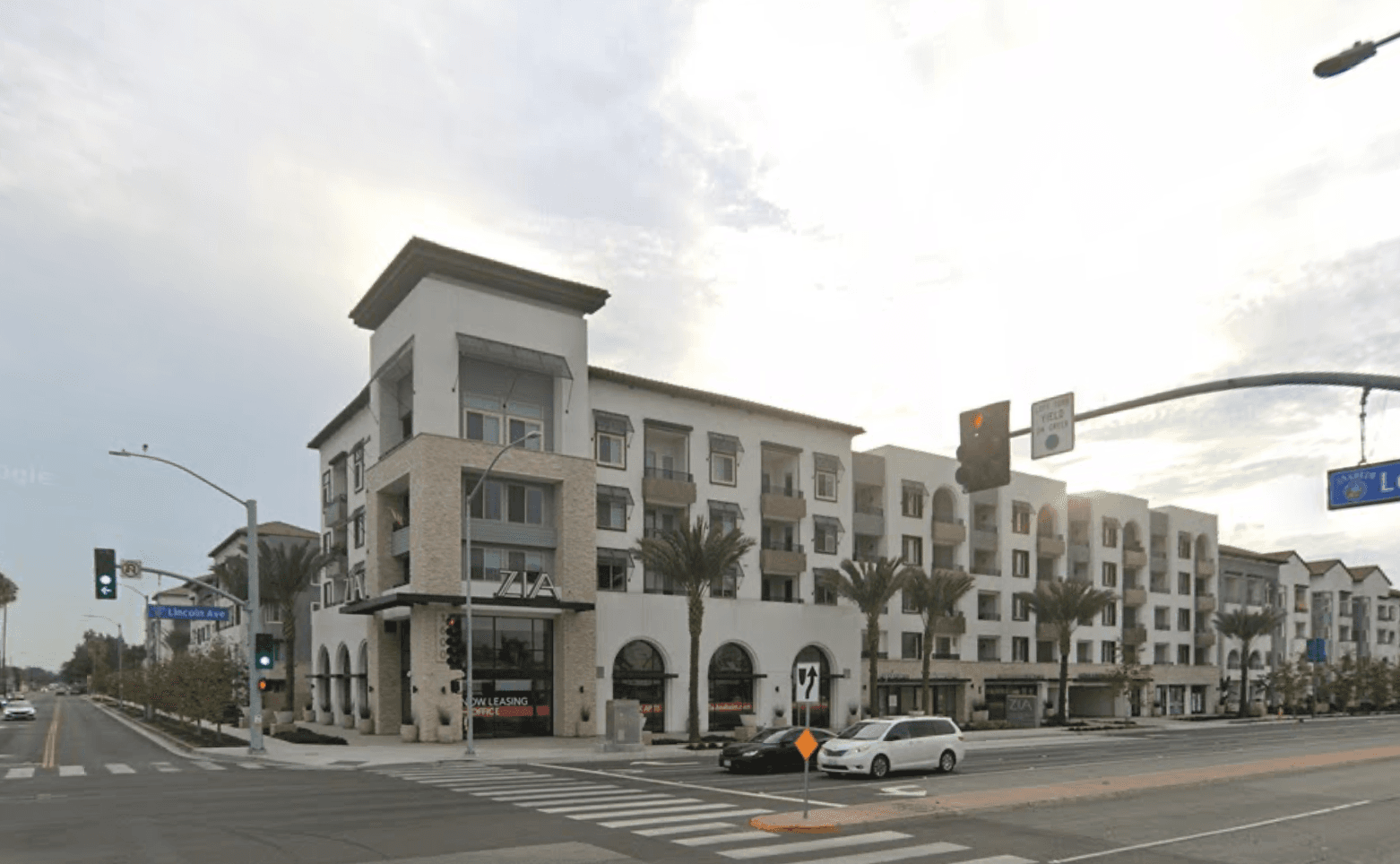
MBK Rental Living has sold its Zia apartment complex in Anaheim, California, to Boston-based TA Realty for $147.5 million, equating to roughly $468,000 per unit — well above Orange County's year-to-date median of $326,000 per unit. The five-storey, 315-unit building at 1600 W. Lincoln Ave. opened in September 2024 and offers studios through to three-bedroom apartments ranging from approximately 56 to 177 square metres. The property was developed as a joint venture between MBK Rental Living and Haseko Corp. Cushman & Wakefield brokered the deal on MBK's behalf. Orange County's multifamily vacancy rate held steady at 4.6% in Q2 2026, and median per-unit sale prices are up 6% year-on-year, signalling continued investor appetite for well-located, newer rental stock in Southern California.
Our take
This transaction is firmly a US commercial property story, with limited direct relevance to South African buyers, sellers, or tenants. That said, it carries useful signals worth noting for SA property investors and buy-to-let landlords watching global capital flows. The premium paid — 43% above Orange County's median per-unit price — reflects strong institutional demand for newly built, professionally managed rental stock. In the SA context, this mirrors a growing trend where institutional investors (pension funds, listed property funds, and REITs such as Growthpoint and Transcend Residential) are willing to pay above-market prices for quality, stabilised rental assets in supply-constrained urban nodes like Cape Town's Atlantic Seaboard or Sandton. For SA buy-to-let investors, the Orange County vacancy rate of 4.6% is a useful international benchmark. Many SA metros — particularly Johannesburg's inner suburbs and parts of Durban — are running at higher vacancies, which should temper expectations around rental yield compression. The deal also highlights the value of professional development partnerships (here, MBK and Haseko Corp), a model increasingly relevant as SA's gap-market and affordable rental housing sector seeks institutional co-investment to unlock scale. Investors tracking global multifamily trends should note that newer, amenity-rich stock continues to command a significant premium over ageing rental inventory.