

From English Rebellion to American Icon: The Romantic History of Italianate Architecture
Realtor.com · Isabella Bernabeo · 12 July 2026
TL;DR
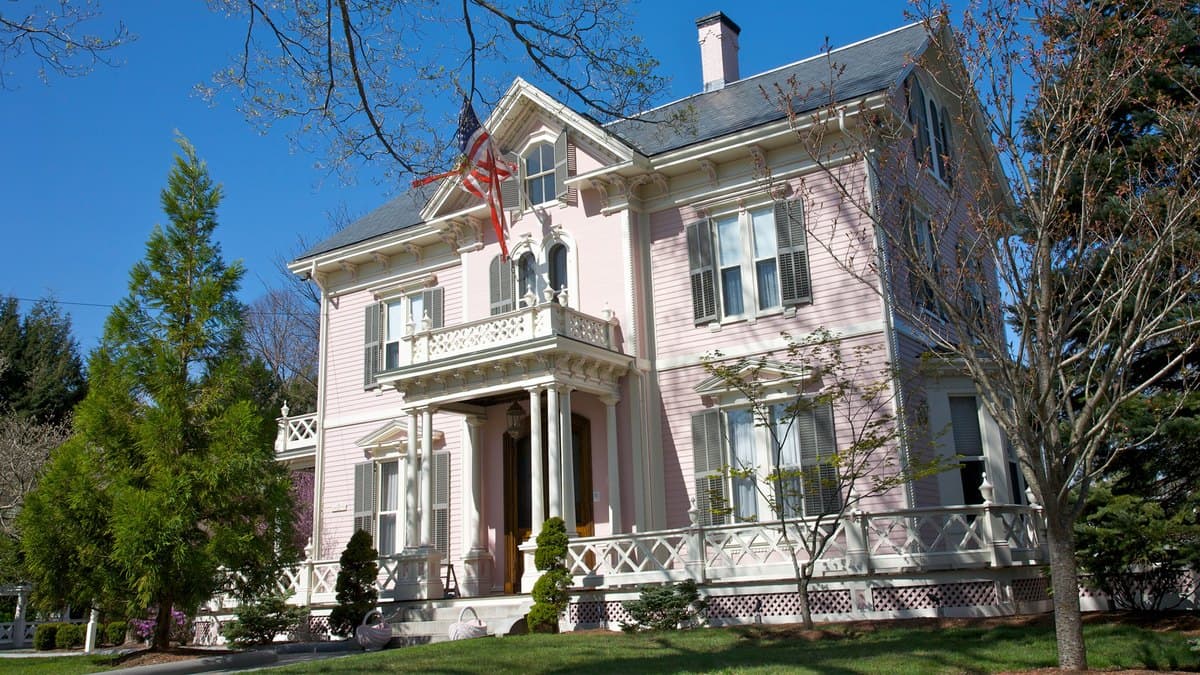
Italianate architecture — characterised by low-pitched roofs, wide overhanging eaves, arched windows, decorative brackets, and ornate cornices — originated not in Italy but in England, where architect John Nash designed the first example in 1802. The style crossed the Atlantic and dominated American residential construction between 1840 and 1885, popularised by architect Andrew Jackson Downing's 1850 pattern book. Cities like New York, San Francisco, and Cincinnati saw rapid Italianate construction, often using affordable brownstone. The economic crash of 1873 ended the boom, and the Queen Anne style eventually replaced it. Surviving examples have been modernised internally — open-plan layouts, updated plumbing, lighter flooring — while exteriors are carefully preserved. Buyers are drawn to the style's romantic grandeur, though significant ongoing maintenance costs are part of the ownership reality.
Our take
While Italianate architecture is largely a North American and British phenomenon, this feature is relevant to a specific SA audience: heritage home buyers, architects, and design-conscious property investors who are increasingly drawn to Victorian-era homes in suburbs like Cape Town's De Waterkant, Johannesburg's Parktown, and Gqeberha's historic central neighbourhoods. South Africa has its own stock of late-19th-century homes built during the same Victorian period that produced Italianate design overseas — many sharing similar decorative ironwork, wide verandas, and ornate cornicing. The key takeaway for local buyers considering heritage properties is the maintenance reality: restoring and preserving period features is expensive and ongoing. Buyers should budget well beyond the purchase price for specialist tradespeople, heritage-compliant materials, and potential Heritage Resources Authority approvals before renovating. For sellers of Victorian-era homes, leaning into the architectural story — original pressed ceilings, sash windows, corbelled brickwork — can meaningfully differentiate a listing in a competitive market. Architectural heritage is an underused selling point in SA property marketing.
Read the full article
This is Liivra's summary + take. The full story lives at Realtor.com.
Read on Realtor.com