

City Councillor Accused of Holding Up 375 Affordable Homes by Demanding $5 Million for a Strip of Land
Realtor.com · Julie Gerstein · 7 August 2026
TL;DR
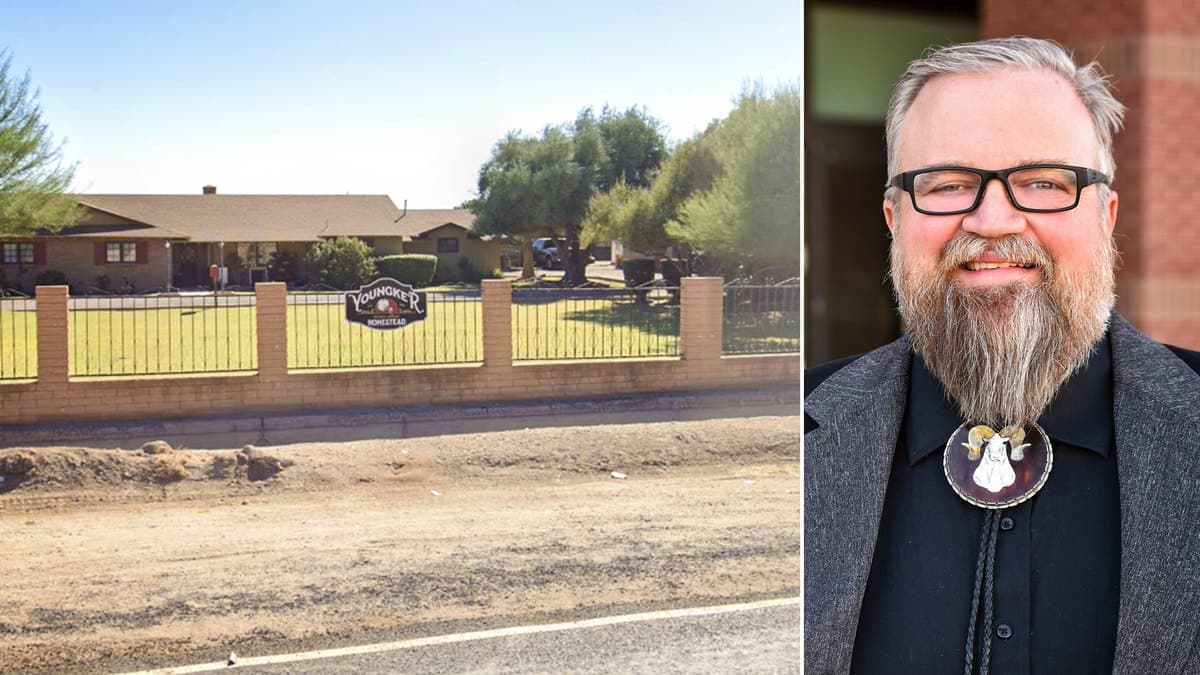
A developer in Buckeye, Arizona, says a sitting city councillor is blocking the construction of 375 affordable housing units by demanding $5 million for a 30-foot strip of his family property — a parcel independently valued at roughly $650,000. Developer Dominium says it needs the narrow right-of-way to access the site, and that the city actually holds a legal right to that land under an existing development agreement but has declined to exercise it. The councillor, Tony Youngker, is represented in the dispute by a fellow council member, raising conflict-of-interest concerns. Dominium says delays have already cost the company over $11 million and it is considering legal action against the city.
Our take
While this story is set in Arizona, it carries a sharp lesson for South African property stakeholders — particularly developers, municipalities, and housing advocates navigating land-access disputes. In South Africa, right-of-way and servitude negotiations between private landowners and developers are a routine but often underestimated risk in affordable housing projects. When a single parcel sits between a developer and viability, the entire pipeline stalls — and in a country where the housing backlog runs into the millions, those delays have real human costs. The conflict-of-interest dimension is equally instructive. South African municipalities are bound by the Municipal Systems Act and codes of conduct that require councillors to recuse themselves from matters where personal financial interests are at stake. The Buckeye situation — where two councillors are on opposite sides of a private land deal while the city claims non-involvement — would likely trigger a formal ethics complaint under SA governance rules. For local developers, this is a reminder to conduct thorough due diligence on servitude and access rights before committing capital. For municipalities, it underscores why proactive land-assembly support for affordable housing projects is not just helpful — it is essential.
Read the full article
This is Liivra's summary + take. The full story lives at Realtor.com.
Read on Realtor.com