

Cell Towers on School and Church Land: Revenue for Institutions, Anxiety for Nearby Homeowners
Realtor.com · Allaire Conte · 14 July 2026
TL;DR
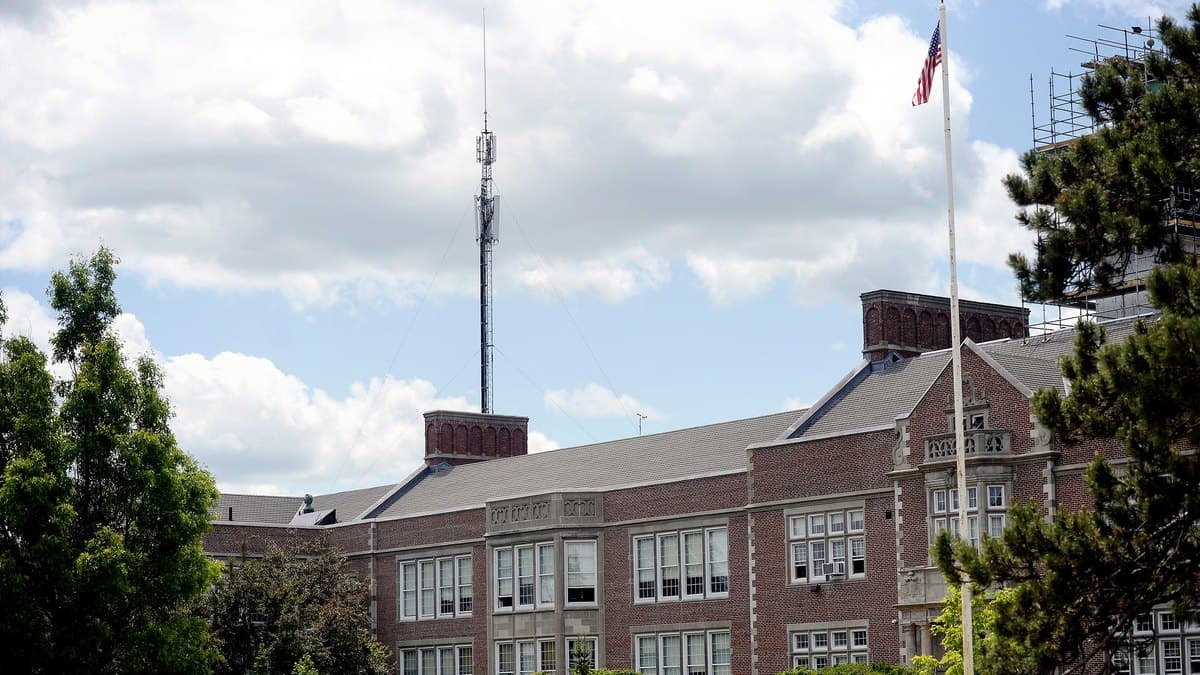
Across the United States, schools, churches, and other community institutions are leasing land to telecommunications companies for cell towers, generating steady passive income — sometimes thousands of rands' worth of equivalent monthly revenue — for decades at a time. But nearby homeowners are pushing back, citing visual intrusion and potential property value discounts. Research from Savannah, Georgia, found homes closest to visible towers sold at discounts of up to 7.6%, with the effect fading beyond roughly 1,500 feet. Camouflage designs — towers disguised as pine trees, church steeples, or flagpoles — can cost 1.5 to 3 times more than standard structures but are sometimes the only politically viable option. Legal battles between carriers and local planning authorities are increasingly common when permits are denied.
Our take
While this story is set in the United States, it carries real relevance for South African property owners, landlords, and school governing bodies. South Africa's own mobile network operators — Vodacom, MTN, Cell C, and Rain — routinely negotiate tower leases with schools, churches, and municipalities, particularly in suburban and peri-urban areas where coverage gaps persist. For landlords and homeowners, the key takeaway is the visibility principle: a tower you can clearly see from your stoep is more likely to affect your resale value than one screened by trees or neighbouring buildings. Estate agents should be prepared to address buyer concerns honestly rather than dismissing them — a 2% to 4% discount on a R2 million home is R40,000 to R80,000, which is material. For school governing bodies and church trustees weighing a lease offer, the income can be genuinely useful over a 20- to 30-year term, but community consultation is advisable before signing. South African municipalities retain land-use authority over tower placement, so objections through local planning processes remain a legitimate avenue for affected residents.
Read the full article
This is Liivra's summary + take. The full story lives at Realtor.com.
Read on Realtor.com