

Behring Plans 20-Megawatt AI Data Centre in Downtown Oakland
Bisnow · 12 August 2026
TL;DR
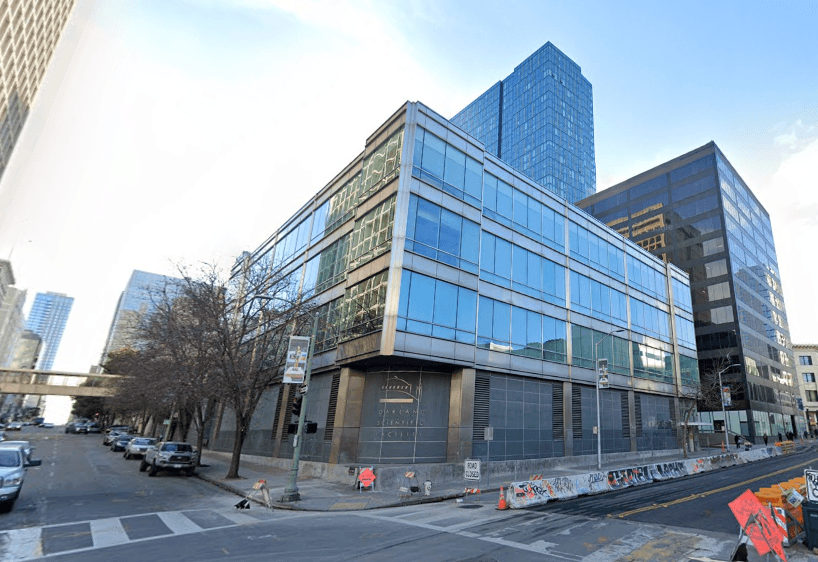
San Francisco Bay Area real estate firm Behring Companies is converting a four-storey, 83,000 sq ft building at 415 20th Street in downtown Oakland into a 20-megawatt artificial intelligence data centre. The property previously housed a supercomputer facility for UC Berkeley before Hines acquired it for $63 million with plans for a 39-storey office tower — plans abandoned after the pandemic collapsed office demand. Behring purchased the building in December as part of a broader strategy to establish an AI hub in Oakland. The facility will focus on inference computing, where AI systems analyse new data in real time rather than relying solely on training data. More than a dozen prospective AI and robotics tenants have already toured the site, and Behring is in talks with a robotics firm to occupy a ground-floor showroom space.
Our take
While this story is set in Oakland, California, it carries meaningful signals for South African commercial property investors and developers watching the global pivot away from traditional office space toward high-power, tech-driven assets. The Oakland case illustrates a pattern increasingly relevant to SA's major metros: post-pandemic office vacancies are creating conversion opportunities, but not every building is suitable. Data centres and AI infrastructure demand very specific electrical capacity — Oakland's building worked partly because it already had seismic retrofitting and electrical upgrades from its supercomputer days. In Johannesburg, Cape Town, and Durban, landlords sitting on stranded office assets should be asking hard questions about power infrastructure before assuming a tech conversion is viable. For SA investors, the inference computing use case is worth tracking. As local businesses adopt AI tools, demand for nearby, low-latency processing capacity will grow — and Eskom's grid constraints make on-site power resilience a critical differentiator for any data centre play here. Commercial landlords, property funds, and developers exploring alternative asset classes should note: the buildings that attract this tenant profile are not generic — they require serious electrical and structural credentials from the outset.