

The Most Expensive Renovation Mistakes Happen Before Construction Starts
Realtor.com · Anna Baluch · 2 September 2026
Kortom
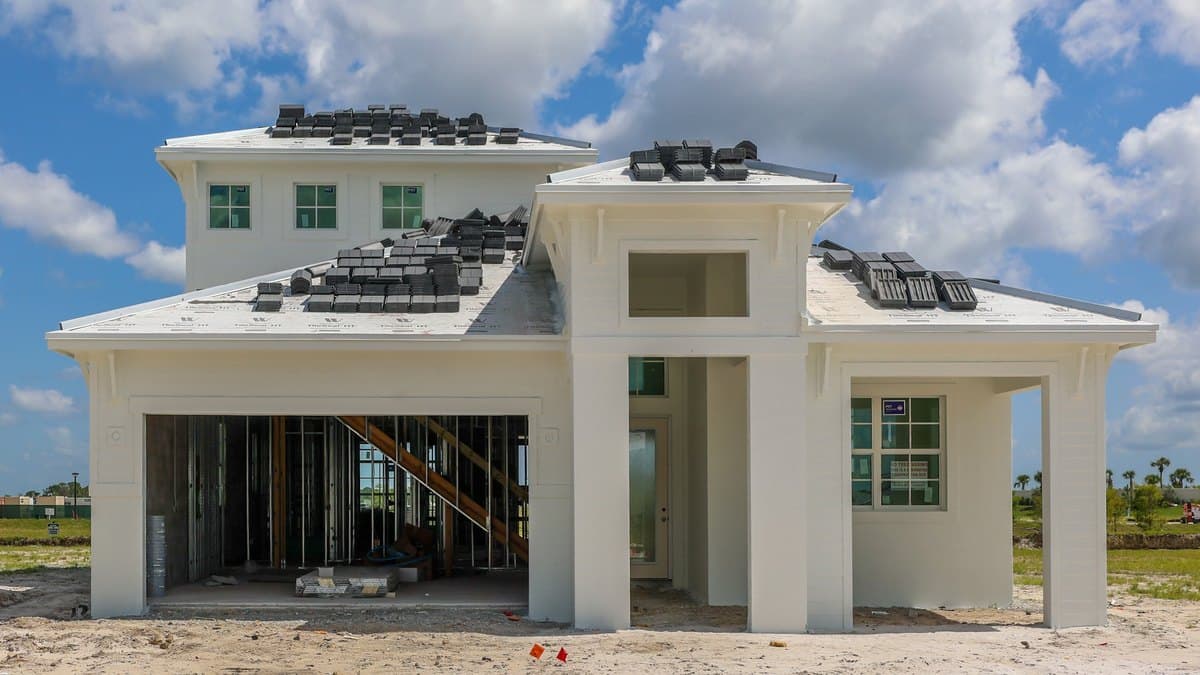
Rushing into a home renovation without proper planning is one of the costliest mistakes homeowners make. Experts warn that changing your mind once construction is underway triggers "change orders" — amendments to the original contract that can double the cost of even simple adjustments. Moving plumbing after drywall is up, for example, requires demolition, reframing, insulation, and patching — work that would have cost half as much if addressed during the design phase. Key pre-construction steps include locking in a realistic budget with a 20% contingency buffer, getting multiple contractor quotes, deciding whether to vacate during works, thinking through spatial details in advance, and considering an exploratory demolition to reveal hidden site conditions before final plans are drawn up.
Ons siening
For South African homeowners — whether you own in a Cape Town suburb, a Joburg townhouse complex, or a freestanding home in Gqeberha — this advice translates directly. Local renovation costs have climbed sharply alongside materials inflation and load-shedding-related project delays, making pre-construction planning even more critical here than in the US context where this article originates. A few SA-specific angles worth noting: First, your building plans must be approved by your local municipality before structural, plumbing, or electrical changes begin — deviating from approved drawings can result in fines or a stop-work order, exactly as the article warns. Second, body corporate or homeowners' association rules in sectional title schemes add another approval layer that can delay change orders significantly. Third, the 20% contingency budget recommendation is arguably conservative in the current SA environment — some local contractors suggest 25–30% given supply chain unpredictability. For landlords planning upgrades between tenancies, the pre-construction planning discipline is especially valuable: delays eat directly into rental income. Buyers purchasing a fixer-upper should factor these hidden renovation risks into their offer price. The core lesson is universal — decisions made on paper are cheap; decisions made mid-build are expensive.
Lees die volledige artikel
Dit is Liivra se opsomming + siening. Die volledige storie leef by Realtor.com.
Lees verder op Realtor.com