

How Midcentury Modern Design Went From Postwar Housing Fix to High-Value Real Estate
Realtor.com · Hannah Chambers · 30 Augustus 2026
Kortom
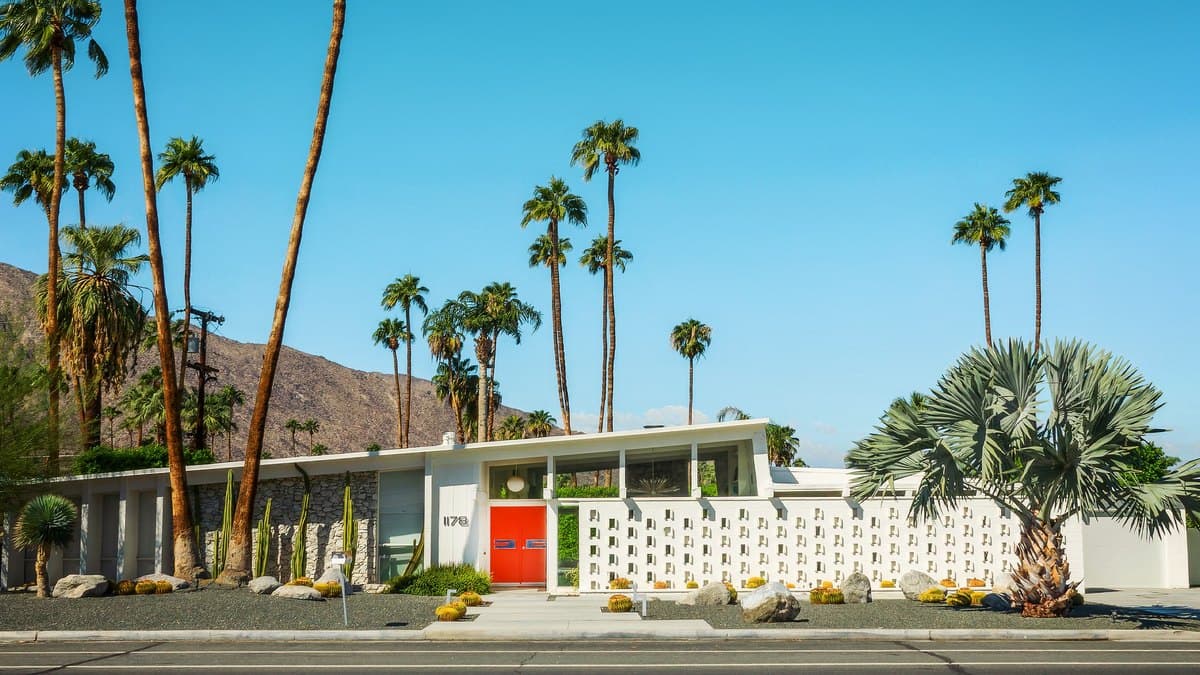
Midcentury modern design — developed between 1945 and 1969 as a functional, no-frills response to the post-World War II housing boom — has grown into one of the most enduringly popular architectural styles in the world. Defined by clean lines, open-concept layouts, floor-to-ceiling windows, and a connection to nature, the style blends organic materials like wood and stone with industrial elements. True originals are becoming increasingly scarce, partly because the distinctive timber used in their construction is no longer manufactured. Well-preserved examples command significant premiums: one historically notable property in New Jersey recently listed at $2.1 million — a 291% increase from its 2023 sale price. The style's popularity continues to grow, driven by its versatility, optimistic aesthetic, and timeless functionality.
Ons siening
For South African buyers and property enthusiasts, the midcentury modern story carries a few practical lessons worth noting. First, architectural heritage adds measurable value. In SA, we have our own mid-20th-century residential stock — think 1950s and 1960s homes in suburbs like Westcliff in Johannesburg, Constantia in Cape Town, and parts of Durban North — many of which share midcentury modern traits: low-pitched rooflines, open-plan living, and indoor-outdoor flow. These properties are often undervalued relative to their architectural merit, presenting an opportunity for discerning buyers. Second, scarcity drives premiums. As authentic period materials become harder to source globally, well-preserved original homes attract buyers willing to pay significantly above market. SA homeowners sitting on intact mid-century properties should think carefully before renovating away original features — those details may be the very thing that commands a future premium. Third, the style's emphasis on natural light, cross-ventilation, and indoor-outdoor living aligns well with South Africa's climate and load-shedding reality — homes designed to breathe and connect to outdoor space are naturally more liveable when the power is out. For sellers, leaning into these features in your listing narrative is a smart move.
Lees die volledige artikel
Dit is Liivra se opsomming + siening. Die volledige storie leef by Realtor.com.
Lees verder op Realtor.com