

Harlem's Empty Lab Buildings Reveal the Fragility of NYC's Life Sciences Property Bet
Bisnow · 30 Augustus 2026
Kortom
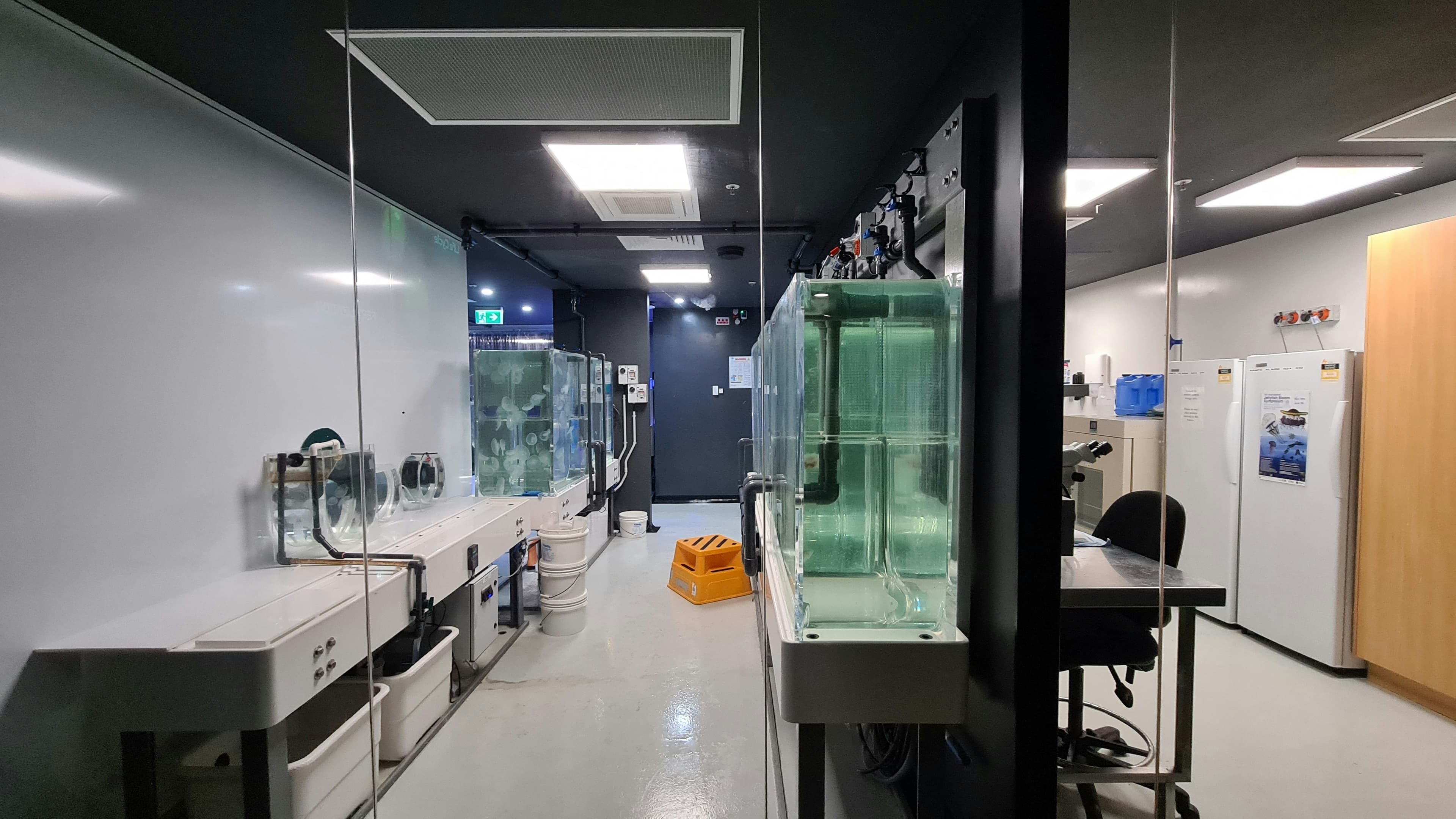
New York City's life sciences property market is struggling, with a 37% availability rate — the highest in the US — and asking rents of roughly $99 per square foot, well above Boston's $76. Harlem has been hit hardest: hundreds of thousands of square feet of purpose-built lab space sit vacant. The Taystee Lab Building at 450 W. 126th St. has been empty since opening in 2022 and faces foreclosure, while the nearby Labs On 121 is expected to be repurposed as office space. Federal research funding cuts — NIH grants fell from $44.9 billion to $35.3 billion in a single year — have choked the pipeline of university spin-outs that Harlem's market depended on. Pockets of success exist elsewhere in the city, including Alexandria Real Estate's portfolio at 95.5% occupancy, but brokers say meaningful recovery in Harlem is years away.
Ons siening
This story is squarely about the US commercial property market, but it carries sharp lessons for South African property investors and developers eyeing specialised asset classes. South Africa has seen growing interest in life sciences and innovation-district developments, particularly around university nodes in Cape Town (Observatory, Rondebosch) and Johannesburg (Braamfontein, Wits precinct). Harlem's experience is a cautionary tale about what happens when speculative commercial development races ahead of actual tenant demand — and when anchor institutions face funding shocks. For local investors, the key takeaways are: first, proximity to transit and amenity matters enormously for specialised workspace — Harlem's relative isolation from New York's main commercial corridors is a direct parallel to South African nodes that lack reliable public transport or mixed-use retail. Second, government and institutional funding is the lifeblood of early-stage science tenants; any South African development banking on university spin-outs should stress-test what happens if DSDT or NRF grant pipelines tighten. Third, high asking rents in a thin market create a vicious cycle — a lesson for any developer pricing niche commercial space above what local demand can sustain. For SA landlords and developers, the message is simple: specialised commercial assets require pre-committed anchor tenants, not speculative builds.
Lees die volledige artikel
Dit is Liivra se opsomming + siening. Die volledige storie leef by Bisnow.
Lees verder op Bisnow